


LOST VILLAGES
Set out for places where time has stood still and where wild nature has taken back what it lent to people centuries ago. The countryside around Železná hides a history that is fascinating and chilling at the same time. After the restricted border zone was created, dozens of thriving villages, glassworks and hamlets vanished from the maps and from the face of the earth. Today, among the deep forests, you can discover the stone foundations of old houses, the uncovered ruins of churches, fruit tree avenues and forgotten springs. Visit places with an incomparable genius loci, where the silence tells powerful stories of the Czech and Bavarian borderlands.
PLEŠ – THE QUEEN OF THE LOST VILLAGES OF THE ČESKÝ LES
Memory of the plateau: where silence tells powerful stories
High on the deforested plateau of Český les, a few steps from the Bavarian border, the mountain village of Pleš once flourished. More than a thousand people lived here and the village brimmed with life: a renowned glassworks, a school, mills, a customs house, a traditional inn and two majestic churches.
After the Second World War, however, and with the relentless creation of the forbidden border zone, Pleš met the chilling fate of dozens of frontier settlements. It was levelled to the ground across its entire extent and for decades all but disappeared from the maps and from human memory.
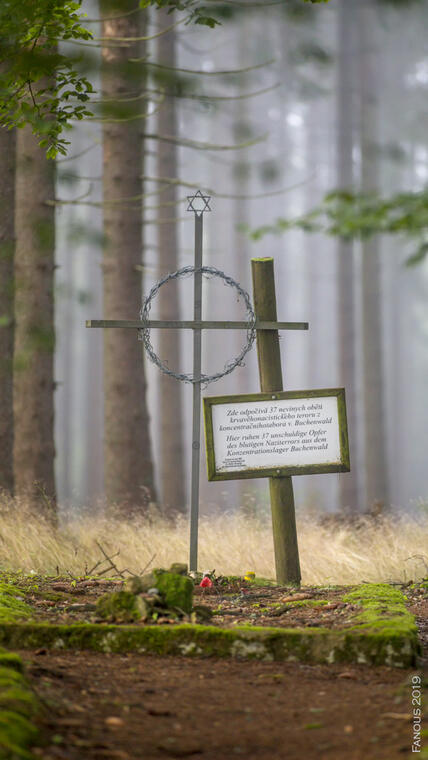
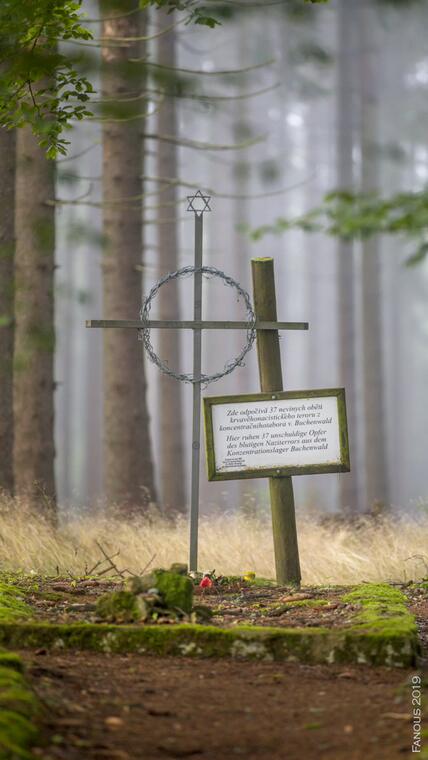
Today Pleš is an extraordinarily captivating place with an inimitable genius loci, offering deep stillness and unspoilt nature. Thanks to the village's original natives and local enthusiasts, the foundations of the cemetery church of St John the Baptist have gradually been uncovered from the ground and the old graveyard reverently restored; there an attentive eye will also find a symbolic grave with a crown of thorns made of barbed wire, dedicated to the memory of the famous local border guide and gamekeeper Josef Zíka.
A newly built and consecrated chapel, standing on the very site of the original pseudo-Gothic church of Our Lady of Succour, has returned a spiritual dimension to the plain.
The only building that escaped demolition, as if by a miracle, is the former gamekeeper's lodge. Today it serves as a guesthouse and restaurant.
The whole area is moreover surrounded by the rare peat bogs and waterlogged meadows of the Veský mlýn natural monument, from where breathtaking panoramas open up over both the Czech and the Bavarian landscape. Pleš is thus a perfectly accessible and unforgettable destination for everyone in search of peace, history and unspoilt nature.
THE ELEGANCE OF ARISTOCRATIC HUNTS, VANISHED INTO THE MOSS
Romantické srdce hvozdů: Zapomenutá elegance Dianina dvoru
Deep among the quiet forests near the village of Rybník hides one of the most romantic places in all of Český les: the ruin of the former hunting lodge Dianin dvůr, known in German as Dianahof.
It took its name from the Roman goddess of the hunt, and in the 18th century the counts of the Stadion family had it built as a stirring oasis of calm for their hunts and their pastimes. Later a small forest settlement grew up around the little chateau, along with the seat of the forestry office, lending this remote corner a unique charm and a lively social life. A tragic turn, however, came with the Second World War and the subsequent expulsion of the population from the Czech borderland. Once the prohibited border zone had been established, the chateau and the adjoining buildings were abandoned and left to ruin. Without maintenance the buildings decayed and gradually merged into the surrounding countryside.
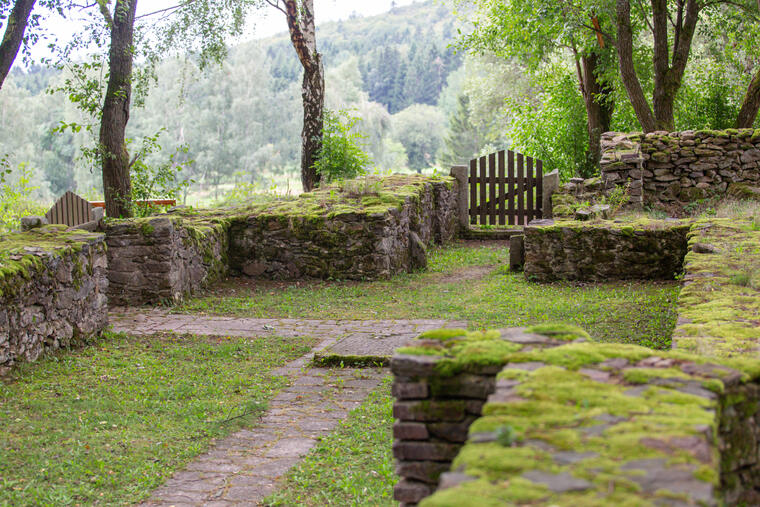
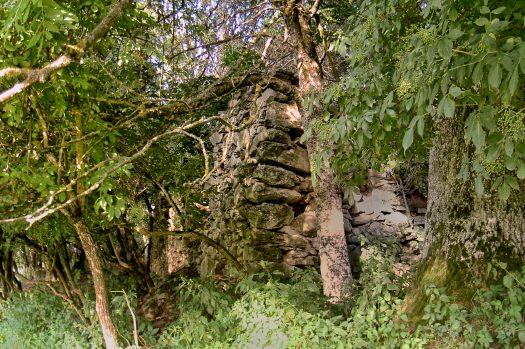
Today, preserved stone walls, the perimeter masonry of the main palace and the remaining torsos of the farm buildings emerge mysteriously from behind the trees and the tall ivy. A walk to Dianin dvůr offers an experience like no other and a powerful genius loci – a meeting of turbulent history, the aristocratic luxury of times long gone and the dominion of wild nature. The site is easy to reach along marked hiking and cycling routes and makes an ideal stop for anyone who wants to discover the hidden secrets of the Czech-Bavarian borderland in the silence of the forest.
VANISHED BEAUTY IN THE HUŤSKÝ VALLEY
The story of Valdorf: from glassmaking glory to a romantic chateau
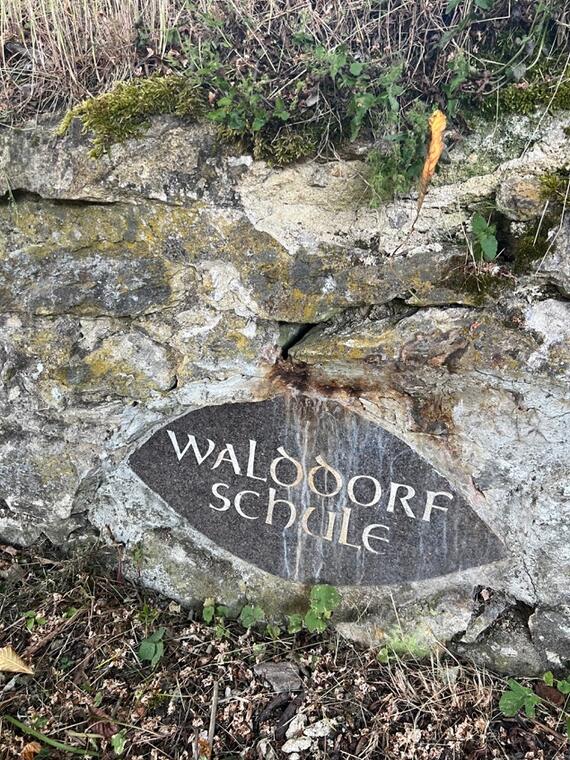
Barely three kilometres from Železná, in the romantic, deep valley of the Huťský potok brook, stood the settlement of Valdorf (in German Waldorf or Walddorf). Its history began to be written as early as the end of the 17th century, when a renowned glassworks producing fine white sheet glass was founded here. Around the glassworks, forestry workers and glassmaking masters built picturesque little houses along the road, and the flourishing hamlet gradually won its firm place in the history of the borderland. When glass production eventually fell silent and life in the region changed, a new landmark grew up on the foundations of the old sawmill – a charming, romantic little hunting lodge with a timbered upper storey and an extensive forest park, commissioned by the noble Koc family of Dobrš.
The fateful turning point for Valdorf, however, came with the end of the Second World War, the removal of the original inhabitants and the subsequent creation of the prohibited border zone. In the turbulent final days of the war the picturesque little chateau burned down, and in the 1950s the entire village was levelled to the ground.
Today the former Valdorf is a quiet and deeply captivating place, where wild nature has slowly swallowed up the traces of human labour. In the moss and among the trees an attentive wanderer can still make out the torso of the stone masonry of the manor house, the foundations of old buildings and the mysterious arms of the Huťský potok stream. The site lies just a short way from today's hiking routes and makes a perfect stop for anyone who wants to feel at first hand the chilling atmosphere of the forgotten corners of Český les
IN THE FOOTSTEPS OF THE MASTER GLASSMAKERS AND THEIR LOST GLORY
The shining legacy of forest glass: Arnošt's polishing works
For centuries a fascinating chapter of Czech-Bavarian glassmaking was written in the country around Lesná. The dense forests here supplied plenty of wood, while the fast-flowing streams provided the power needed to drive the unique glass polishing and cutting works.
The heart of this tradition was the settlement of Arnoštovo Údolí (Ernstberg) and its polishing works, where master glassmakers turned raw sheets into gleaming mirrors and clear glass renowned throughout Europe with quite extraordinary patience. Yet like so many other settlements in the borderland, this place too fell silent after the Second World War: the inhabitants left and the industrial buildings were swallowed up by the prohibited zone.
Today a six-kilometre circuit of the Glassmaking Nature Trail runs through this mysterious landscape, taking visitors from Lesná via Knížecí Huť all the way to the very remains of Arnoštova leštírna, Ernst's polishing works. In the middle of wild countryside by the Huťský potok brook, unique stone foundations have survived here together with the torso of a rare rotary polishing machine, a silent witness to the technical accomplishment of the time. A walk along the trail offers an incomparable combination of the unspoilt nature of Český les, the nostalgia of old crafts and a captivating silence, where with a little attention you may also glimpse the rare inhabitants of these forests, from forest bats to hidden woodland pools.
A TRIP TO THE FORGOTTEN STORIES OF BYSTŘICKÝ VRCH
Bystřice: quiet memories beneath the crowns of old orchards
Just a short way from Železná, on the sunlit slopes of Bystřický vrch, lay the mountain settlement of Bystřice (in German Fichtenbach). This flourishing little village with its picturesque chapel, its school and its traditional stone cottages was home to several dozen inhabitants who lived here in close union with the harsh but beautiful nature of Český les. The turbulent events after the Second World War, the post-war expulsion and the relentless creation of the forbidden zone, however, sealed its fate as well. The people had to leave, the cottages were levelled to the ground, and a settlement that had been alive until then became no man's land.
Today Bystřice is one of the most moving and most unspoilt places in the whole border country. The houses that have vanished are recalled here not only by moss-covered stone foundations and old cast-iron crosses scattered across the landscape, but above all by majestic fruit-tree avenues and orchards. Year after year these old trees go on blossoming and bearing fruit as silent witnesses to the human fates that played out here. A walk to Bystřice offers balm for the soul, deep quiet and wonderful views of the surrounding countryside and of this forgotten corner of home.
FRANČINA HUŤ – THE LOST GLASSMAKING SETTLEMENT
Where wild nature swallowed the glow of the glass furnaces
Deep in the forests not far from Železná stood the settlement of Frančina huť, whose fate was bound up from the very beginning with the creative energy and the hard life of the glassmaking masters. The local glassworks, founded in the 18th century and named after Countess Francesca Cukrová z Tamfeldu, produced renowned glass and breathed life into a whole small community. Cottages, an inn and forest dwellings gradually grew up around the works. At the height of its prosperity at the beginning of the 20th century, this “village hidden in the woods” had over 160 inhabitants, its own tobacconist's shop and a small branch school for more than four dozen local children. Even in the 1930s some 157 inhabitants still lived here in barely three dozen homesteads.
As so often in this borderland, the golden age of glassmaking slowly faded, and the final full stop after ordinary village life was written by the Second World War, the expulsion of the population and the relentless creation of the forbidden border zone, which left the settlement levelled to the ground in the 1950s.
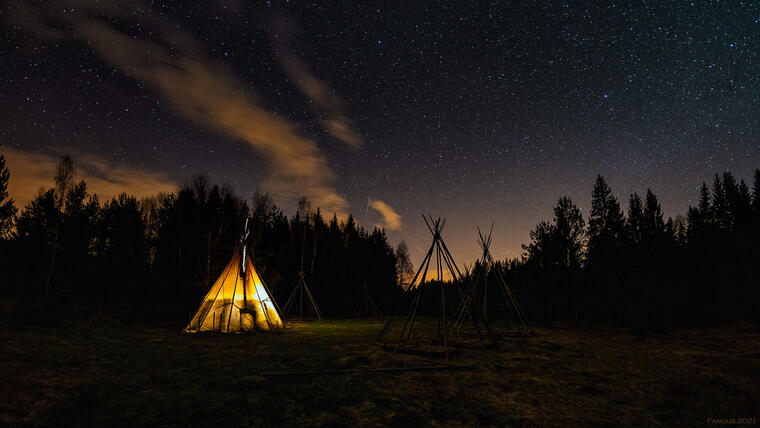
Today Frančina huť is a captivating place where a troubled history has dissolved completely into wild nature. A walk across the former clearings offers an incomparable sense of discovery – in the moss and beneath tall trees the attentive wanderer can still sense the stone foundations of old buildings, earth ramparts, the remains of glass production and an old mill race with a small pond. The place has not been left entirely without life, however. In the summer months scout camps settle on the clearing here and, for a while, bring back to the silence of the deep woods children's laughter, the crackle of campfires and fresh energy. Frančina huť is thus an ideal destination for all visitors who want to leave the busy routes behind, breathe in absolute silence and experience for themselves the magic of the forgotten corners of the Český les.
Are you ready
to pay us a visit?